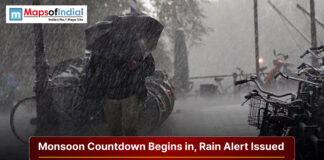
There has been a sharp difference in weather conditions with Uttarakhand receiving rain and snowfall, and many cities in the plain are undergoing an extreme heatwave with temperatures climbing above 43°C.
The India Meteorological Department (IMD) predicted that at least five districts in Uttarakhand would receive light to moderate amounts of rain in the coming days. Such showers will be accompanied by thunderstorms and gusty winds in certain regions as a relief to the increasing temperatures in the lower regions like Dehradun.
However, on the contrary, fresh snowfall is anticipated in the upper parts of the state, such as popular pilgrimage centres, such as Kedarnath and Badrinath. They are at elevations of over 3,500 meters and can experience a relapse of winter conditions as summer approaches the plains. The government has urged tourists and pilgrims to monitor weather patterns, as snow may affect the road network and transportation arrangements.
The sudden storm in the weather is credited by meteorologists to an active western disturbance over the Himalayan area. These systems introduce wet winds that result in rain and snow in the northern hill states.
In the meantime, some regions of north and central India are still struggling with extreme heat. Heatwave conditions have escalated in cities such as Uttar Pradesh, Rajasthan, and Madhya Pradesh, where the temperatures have been recorded to be at 43 °C. The IMD has advised the residents to exercise due caution by not going outside during the afternoons when the weather is hottest and by drinking enough water.
The fact that cool and wet climate can co-exist in the hills and scorching heat can co-exist in the plains means that the Indian climate can be as diverse and dynamic as possible. Though rainfall and snowfall locally in Uttarakhand are able to bring some relief, the bigger region is still grappling with the weather patterns.
Authorities stress the necessity of readiness on both levels, dealing with the possible inconveniences in hilly regions in case of rain and snow, and the hazards to human well-being related to excessive heat in cities.
With the weather patterns constantly changing, the governments are keeping a close eye on the situation and asking citizens to adhere to the official updates in order to remain safe and informed.