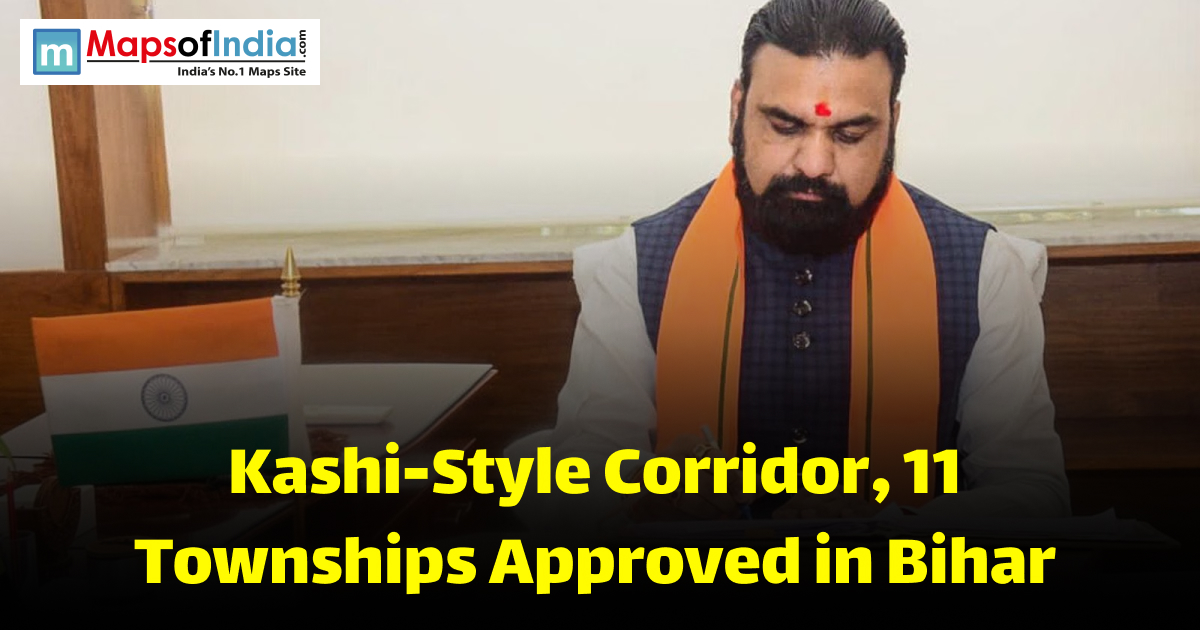
In a significant thrust towards the development of infrastructure and tourism, the Bihar government gave its approval to 22 major proposals in its first cabinet meeting. The decisions made under the guidance of the deputy chief minister, Samrat Choudhary, underscore the interests of the administration in terms of urban expansion, religious tourism, and the welfare of the people.
Among the most notable ones is the creation of a grand corridor at the Hariharnath Temple, which is based on the legendary Kashi Vishwanath Corridor, Varanasi. The suggested corridor will make the temple complex a significant pilgrimage and tourist site, enhance infrastructure, accessibility and visitor amenities. This project will greatly help to increase religious tourism, according to the officials, and serve as a source of employment in the area.
Besides the corridor project, the cabinet approved the development of the 11 green field satellite townships all over the state. Such strategic city centres will alleviate congestion in the current cities, besides providing contemporary housing facilities, enhanced infrastructure and other civil facilities. It is part of the long-term plan of the government to facilitate an organized urban development and investment.
The cabinet also made various decisions that would help to enhance the strengths of the population services and governance. It has involved the provision of scooters to the women police staff and motorcycles to the other staff of the police force in order to improve mobility and productivity. It was also decided to upgrade Industrial Training Institutions (ITIs) into high-skill development centres, which will be in line with the objective of the state to enhance employment opportunities among the youth.
Additional initiatives aimed at enhancing security and infrastructure. Some of these are funding victims of major road accidents, the opening of modern forensic laboratories, and the development of data systems to assist law enforcement agencies. The government also mentioned the plans to increase connectivity and help future infrastructure development, such as possible airport development.
The broad-based choices are indicative of the desire of the Bihar government to strike a balance between cultural heritage and modern development. Investment into religious tourism and urban infrastructure will help the administration to build a sustainable economic development without losing the historical and spiritual identity of the state.
Political observers see the first meeting of the cabinet as a good indicator of the priorities of the government, with visible development and administrative efficiency being prioritized. When these projects are approved and finally implemented, their effects on the economic environment and services to the people of Bihar will be tracked.