The people involved in the manufacturing, storage, sale or distribution of single-use plastic in Haridwar would suffer a severe blow as the district administration has declared heavy fines for the breach. Authorities have threatened to impose stiff fines on anyone found trafficking in prohibited plastic materials, and those who violate the law in the future may endure even more.
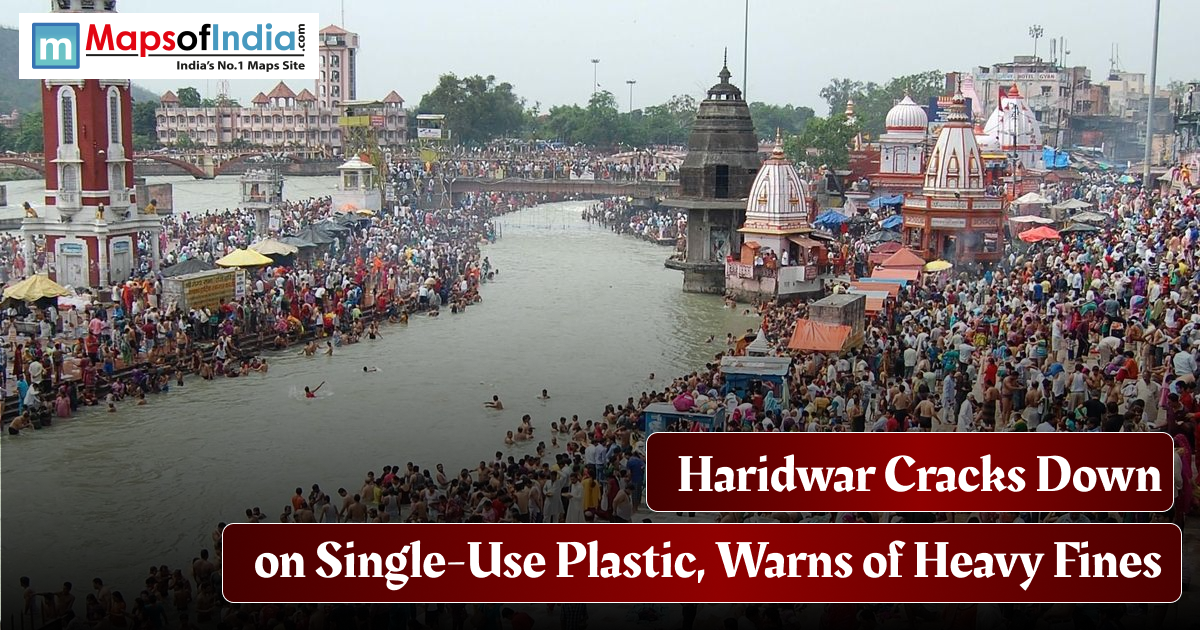
The action is also a revitalized effort to implement the ban on single-use plastic, which has existed under central government and state government regulations. As a prime pilgrimage city, Haridwar is a place where religious people gather in large numbers all year round. Officials believe that plastic debris produced in religious meetings, fairs and everyday business activities is a major danger to the purity, human health, and the Ganga river ecosystem.
The ban, according to the officials, extends to a wide variety of single-use plastic items such as plastic plates, cups, glasses, bowls, spoons, forks and other trash items. The production, storage, sale and consumption of these products are highly banned. Violators of the rules by traders and vendors will be punished, and fines amounting to lakhs of rupees, depending on the type and frequency of violation.
The administration has ensured it is not a paper warning. Random check inspection drives will be made throughout the markets, wholesale stores and the business districts to ensure compliance. Regular checks will be done by the enforcement teams of the municipal corporation and the district administration, and the seized plastic products may be destroyed in accordance with norms.
Authorities have urged merchants to cease trading in single-use plastic food packaging and switch to alternatives that are environmentally friendly, like paper, cloth, jute or biodegradable. They have further suggested that shopkeepers, street vendors and event organizers should fully collaborate to ensure that Haridwar is transformed into a plastic-free zone. To create awareness, both traders and the masses about the ban and its significance to the environment are being planned.
The stringent approach has been embraced by environmentalists who argue that one of the greatest issues that pilgrimage towns are grappling with is plastic waste. One-use plastic habitually creates clogs in the drains, littering the streets, and polluting the Ganga, leading to ecological harm in the long term.
The administration is of the opinion that the strict enforcement and cooperation of the masses are key to success. Through stern measures against offenders, authorities want to enhance cleanliness, conserve the environment and save the sanctity of Haridwar.
The warning is now issued, and those traders who deal in single-use plastics do not have an option other than to comply with it or pay hefty fines and be prosecuted.