The tensions that are always associated with Iran have already started to have a big effect on the industrial environment in India, and Gujarat is said to have lost almost ₹2000 crore. This has impacted the availability of natural gas and petrochemical inputs in the global energy supply chains, which has served as a blow to the state’s major industries.
Gujarat, which is one of the highly industrialized regions in the Indian continent, is dependent on gas-based industries like chemicals, ceramics, textiles and plastics. Some of the cities that have been hit the most are the key centres of ceramic production, such as Morbi, where fuel rationing has had to reduce operations in factories or even close down facilities. There are increasing worries about increased costs and low output by industry representatives who might affect exports and employment further.
The crisis is attributed to the disruption of supply in major shipping routes in the world, and most specifically those related to the Middle East. With a buildup of tension along the Strait of Hormuz, which is a key route in the transportation of oil and gas, imports into India have become questionable and grown costly. This has caused decreased gas reserves for industries to use, and the business has been compelled to work with a limited capacity.
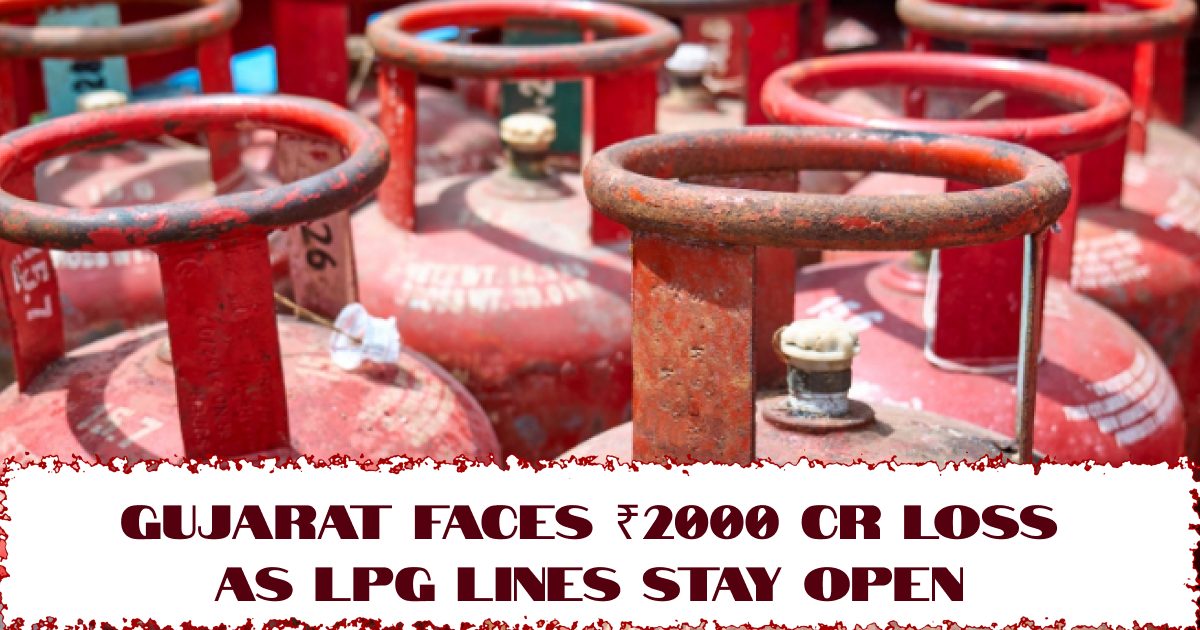
Although the industrial performance has slowed down, it has been one of the areas that the authorities have taken care of, ensuring the supply of domestic LPG is a priority. Cooking gas cylinders are still issued to households, but long queues and long waiting halls are being experienced in many areas as a result of high demand and low supply. The authorities have explained that it is important to ensure that there is a continuous supply to the homes, even at the expense of the industries.
Energy analysts observe that these international wars point out how regional economies are exposed to international dynamics. The long-term interruption may further increase the expenses, slow down production and affect the livelihood, particularly in the industrial belts which rely on a steady fuel supply.
The Gujarat government is keeping a close watch on the situation, and it is likely to look at other supply provisions and relief packages for industries that were hit. In the meantime, companies are pushing the central government to intervene and stabilize fuel supply chains to avoid further economic losses.
The two-fold task of controlling industrial demand and providing energy security to households remains a challenge to policymakers, as the situation ensures this does not happen. The ongoing crisis can be used to remember that the effects of geopolitical fights extend far and wide to local economies and the daily lives of people.