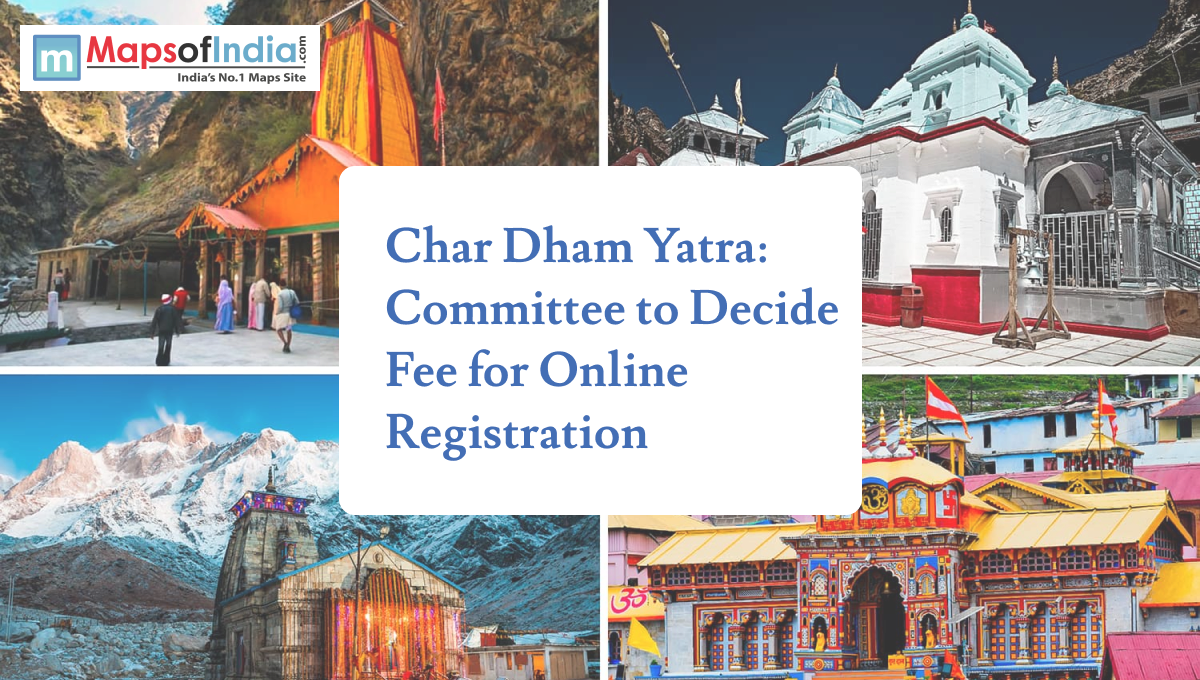
The Uttarakhand government, in a major development to promote pilgrimage management, is thinking of offering a fee for online registration of the Char Dham Yatra. The officials have claimed that a committee will shortly determine the quantity and form of the registration fee, a potential shift in the way pilgrims attend one of the most holy journeys in India.
The Char Dham Yatra is a pilgrimage to four great Himalayan temples, Kedarnath, Badrinath, Gangotri and Yamunotri and is attended by millions of pilgrims annually. Online registration has been conducted in recent years as a means of monitoring pilgrims, ensuring safety, and handling large numbers of visitors. To date, the registration procedure has been relatively free, although the officials feel that the introduction of a nominal fee can be used to enhance operational procedures, hence improvement of facilities.
The proposed fee is being regarded to maintain the improved crowd management, infrastructure and emergency services along the pilgrimage routes as reported by the authorities. The yatra is being conducted in mountainous areas, which are difficult to navigate, and therefore handling traffic, health facilities, accommodation, and disaster preparedness is an expensive venture in terms of planning and resources. Such a small registration fee would assist the authorities in keeping digital systems and improving safety precautions for pilgrims.
The committee tasked with the issue is supposed to consider a number of factors before determining the verdict. These can be the price of the fee, types of pilgrims, and exemption of some groups and the way of payment on the online portal. The officials have been able to explain that the final decision is yet to be made, but the recommendation of the committee will be used to facilitate the process.
The news has elicited both positive and negative responses amongst the devotees and stakeholders. The proponents posit that a low charge would result in better infrastructure, better road management, and safety provisions. Critics, on the other hand, believe that pilgrimage registration must be maintained at no charge to make the spiritual journey available to everyone in society.
The relocation follows the planning of the state government for the upcoming yatra season, which is usually in the months of April and goes on during the summer months. As the number of pilgrims is on the rise annually, authorities are aiming at enhancing the logistics and reducing the overcrowding aspect in the area following the previous experiences of traffic jams and security threats in the area.
In the event of its introduction, the paid registration system will be a movement towards a more organized and controlled paradigm of pilgrimage. The final guidelines are supposed to be announced by the authorities upon submission of recommendations by the committee.
With the organization of the next Char Dham Yatra underway, pilgrims are recommended to adhere to the official updates and register in time when the portal is open. The conclusion of the fee structure will most probably have a major role in the future of the sacrosanct pilgrimage.